
This article explores house extension ideas for UK homes. A well planned house extension can do far more than add floor space. It can transform how a house looks, feels and works every day, while helping homeowners create a brighter, more flexible home that suits modern life.
Whether you want a larger kitchen, a better living space, extra bedrooms, or a calmer place to work, the right extension ideas can help you extend your home in a way that feels natural and long lasting.
From a single storey rear addition to a bold two storey extension, there are many home extension ideas for UK properties of every style and size. A good design should support the way you live now while also considering your future needs, your budget, your property type, and the character of the original house.
The best house extensions do not feel like an afterthought. They blend seamlessly and sit seamlessly with the existing layout, materials and roof line, while bringing in more natural light, improving flow and adding value to your property.
Two-storey Extension
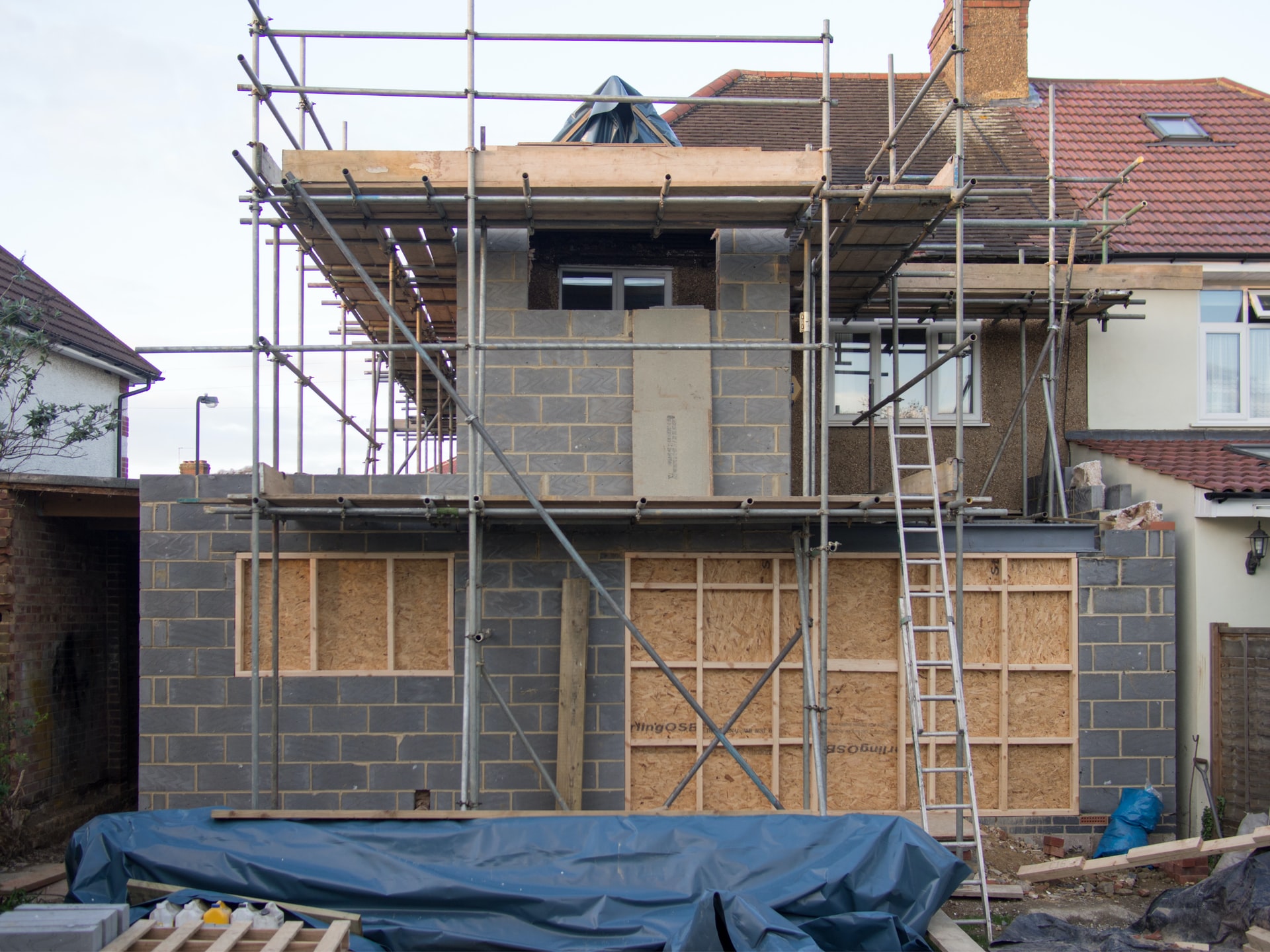
Creating a two storey extension is a strong choice for homeowners who want to make a real difference to both the ground floor and first floor of their existing home. This type of home extension can increase living space downstairs while also adding bedrooms, a bathroom or even a study upstairs. For families who love their location and want more room without the stress of moving, it can be a practical way to extend rather than leave a house they already love.
On the lower floor, a two-storey extension often opens up the rear of the house, making space for a larger open plan kitchen, a better dining area, or a more connected living area. Knocking through internal walls can improve the overall flow, although structural support will be essential and should always be handled by experienced professionals. On the upper floor, the added space can provide extra bedrooms or a new main suite, helping the house work better for a growing family over time.
To achieve the best result, the new extension should relate well to the existing building. Matching brickwork, glazing, roof details and floor levels can help the addition sit comfortably beside the main house. In some cases, a more contemporary design can also work well, especially when it is carefully designed to respect the scale and style of the original house.
Kitchen Extensions
The kitchen is often the heart of the home, so a well planned kitchen extension can completely change daily life. Many house extension ideas begin here because the kitchen is where cooking, dining, working and relaxing often come together.
A smart extension can create a larger open plan kitchen, a kitchen living arrangement, or a kitchen living and dining layout that feels bright, social and practical.

Extending the kitchen can make room for an island, extra storage, a generous dining room setup, or a new living zone where family and friends can gather. Some homeowners choose a rear extension with sliding doors opening onto the garden, while others prefer a side and rear layout that wraps around the back corner of the property. Both options can improve the connection between inside and outside, helping the whole house feel more open.
Light is one of the most important parts of any kitchen project. Large panes of glass, rooflights, skylights and slim frame glazing can bring in daylight from above and from the garden side, making the room feel bright, warm and welcoming. When the layout is done well, even a modest extension can maximise the sense of space and give the room a real wow factor.
Of course, every kitchen extension needs a clear plan, realistic cost expectations and careful decisions about finishes. High quality work, durable materials and a design that suits your lifestyle will always matter more than following short term trends. When well executed, this kind of home extension can improve everyday life and add lasting appeal.
Loft Conversion
A loft conversion is another popular way to extend your home, especially when there is limited room to build outwards. By using the existing roof space, homeowners can add useful square footage without taking away from the garden. This can be a very effective option for homes in London, including terraced house, semi detached and detached house types where land is often limited.
A loft can become a bedroom, home office, guest room or quiet retreat. In some homes, it can even provide enough room for an extra bathroom and built in storage.
The success of the design often depends on roof height, the pitch of the roof, and how well the staircase can be fitted into the existing home. A pitched roof usually offers more potential than a very shallow one, although every structure is different.
Building regulations are an essential part of the process. Structural work, fire safety, insulation, stairs and means of escape all need to meet the right standards. Homeowners should also keep in mind the possible need to strengthen the floor, move services, and improve ventilation.
A loft project can seem straightforward at first, but careful planning will help ensure the finished room feels like a natural part of the house, not a squeezed in afterthought.
Living Room Extension
A living room extension is about more than making a room larger. It is about creating a more enjoyable and flexible part of the house where people can relax, spend time together and enjoy better views of the garden. Whether you want an elegant sitting room, a family room with a dining area, or a spacious living room linked to the kitchen, the right design can transform everyday use.
Many homeowners choose to create open plan living areas that connect cooking, dining and relaxing in one flowing space. This can work particularly well in older properties where smaller rooms and dividing walls limit movement and light. By opening up the rear of the property, adding large doors and introducing roof glazing, you can bring in more daylight and create a stronger connection with the outside.
A living room extension can also be a good place to express personal style. Some people prefer a traditional feel that matches the older part of the house, while others choose a contemporary look with clean lines, slim frame glazing and polished finishes. Both can work beautifully when the scale, materials and details are right.
Rear Extensions That Open Up The Home
A rear extension remains one of the most popular choices for UK homeowners because it can make a dramatic difference to the way the house works. Extending into the back garden is often the most natural place to begin, especially when the aim is to improve the kitchen, dining room or living room. A rear addition can create a generous new space for family life, while also improving the relationship between the house and the garden.
In many cases, a single storey rear extension is enough to completely change the feel of the ground floor. Large sliding doors, full height glass, rooflights and a carefully considered floor finish can help the old and new parts of the building feel connected. A rear design is also a strong option for adding an open plan kitchen with a dining area and relaxed seating, making the back of the home the true heart of the property.
For larger homes or families needing more room, a two storey rear extension may be worth considering. This can provide extra bedrooms above while also creating much improved living space below. The key is to balance ambition with a sensible budget, the available site conditions and any likely planning limits.
Side Return Extension Ideas
For Victorian and Edwardian terraces, a side return extension is often one of the most effective extension ideas available. This narrow strip of land at the side of the house is sometimes underused, yet it offers real potential to widen the kitchen and improve the shape of the ground floor. A side return project can turn a dark and cramped layout into a bright, open and useful family space.
This type of house extension works especially well for a terraced house, end of terrace home or some semi detached properties. Although the added width may not seem large on paper, the difference in daily use can be huge. Even a couple of extra metres can allow for a larger kitchen, a dining table, more storage and better circulation through the room.
Because side return projects often sit close to neighbouring boundaries, details such as privacy, light impact and drainage need careful thought. Roof glazing is common here because it helps bring natural light deep into the floor plan. The best designs make the whole room feel transformed, not simply wider.
Side Extensions For Extra Flexibility
A side extension can be a smart choice when there is unused land to one side of the house. It can make room for a utility, study, garage conversion link, extra reception room or a larger kitchen. For detached and some semi detached homes, this kind of project offers a flexible way to gain floor area without changing the rear garden too much.
In some cases, homeowners combine a side addition with a rear extension to form an L-shaped layout. This side and rear approach can deliver a large open plan family room that supports cooking, dining and relaxing in one space. It can also make it easier to arrange furniture and create clear zones for different activities across the floor.
As with all home extensions, the aim should be to make the addition feel like part of the existing home. Roof shape, wall finishes, window proportions and internal floor levels all play a part in helping the new structure blend seamlessly.
Conservatory And Orangery Inspiration
A conservatory can still be a worthwhile extension idea when it is carefully designed and built to suit the house. Older conservatories sometimes feel too hot in summer and too cold in winter, but modern glazing, better insulation and stronger roof systems have improved what is possible. For some homeowners, a conservatory or orangery style space is a lovely way to enjoy more light, garden views and a calmer link between inside and out.
This type of addition can work well as a sitting room, dining space or reading area. When planned with care, it can add charm and provide a bright room that feels separate from the busier parts of the home. It is important to think about orientation, privacy, shading and heating from the very start, so the room stays comfortable throughout the year.
A conservatory may not suit every property, but for the right house it can be a cost effective and attractive solution. The best examples feel integrated, rather than like a temporary add on at the end of the building.
Single Storey Extension Ideas
A single storey extension is often the first route homeowners explore because it can be simpler and more affordable than building over two levels. It can work for many property types, from a small terrace to a larger detached house, and it offers plenty of options for reshaping the ground floor. Whether you want a bigger kitchen, a combined living room and dining room, or a separate family room, this kind of extension can provide excellent results.
One reason this type of project is so popular is that it can deliver a lot of impact without the greater structural demands of a taller build. It also allows more freedom to play with roof forms, including flat roofs with rooflights or a pitched roof with a vaulted ceiling for extra height and drama. Even where the footprint is modest, smart use of lighting, glazing and layout can make the whole house feel larger.
For many homeowners, a single storey extension offers the right balance between ambition and control. It can improve daily life, add a better sense of flow, and often increase value to your property when it is done to a high standard.
Making The Most Of Natural Light
One of the best house extension ideas is also one of the simplest: focus on light from the very beginning. A well lit extension will feel larger, calmer and more inviting. Natural light can also improve the mood of a room and reduce the need for artificial lighting through the day.
There are many ways to bring light into a new extension. Rooflights, lanterns, high level windows, full height glazing and wide sliding doors can all help. In deeper plans, internal glazing or partially open partitions may also allow daylight to travel further into the original part of the house. Choosing pale finishes and carefully considering the position of walls can also improve brightness.
When homeowners speak to architects about home extension ideas, they often focus first on size. Yet the feel of the space matters just as much. A smaller extension full of daylight may be more enjoyable than a larger one that feels dark. That is why light should be part of the design conversation from the first step.
Open Plan Living And Better Flow
Many extension projects are driven by a wish for better open plan living areas. Older homes can feel broken up into small rooms that no longer match the way people live. Extending offers the chance to create a more connected layout where cooking, eating, relaxing and spending time together all happen more naturally.
An open plan kitchen with a dining and seating zone is one of the most wanted layouts in UK homes. It can create excellent living space, support family routines and make entertaining easier. However, good open plan design is about more than simply knocking walls down. You need to consider structure, storage, furniture layouts, acoustics, lighting and how each zone will work from day to day.
The most successful projects create a sense of flow while still allowing each part of the room to have a clear purpose. Changes in floor finish, ceiling height, joinery or lighting can help define areas without losing openness. When done well, the result is a space that feels generous, practical and enjoyable to use.
Planning Permission And Permitted Development
Before any building work begins, it is important to understand whether planning permission is needed. Some smaller house extensions may fall within permitted development, but this depends on the size of the extension, the type of house, its location and what changes have already been made to the property. A listed building, flat or home in a protected area will usually have stricter rules.
Even if formal planning approval is not required, building regulations approval is still likely to be essential. These rules cover structure, insulation, ventilation, fire safety, drainage and more. Homeowners should also be aware of party wall matters when work affects a shared boundary, particularly with terraces and semi detached homes.
Taking professional advice early can save both money and time later. A good architect or designer will help you understand what is possible, what is likely to be approved, and how to shape your project around the rules from the start.
Budget, Costs And Value
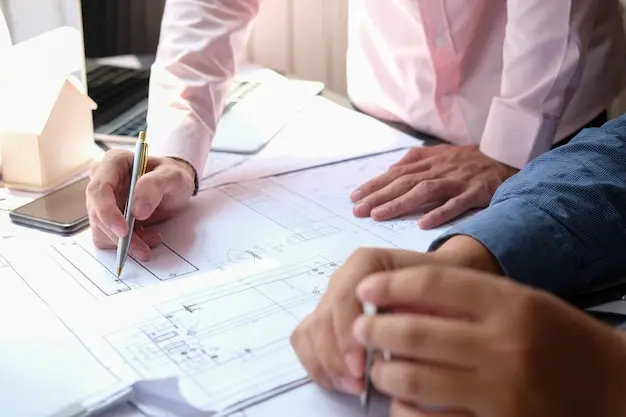
Every extension should begin with a clear view of likely costs. It is easy to focus on the exciting part of the design, but a realistic budget is essential if you want the project to run smoothly. The final price will depend on the size, specification, structure, access to the site, and whether significant changes are needed to drains, roofs or existing walls.
Some choices are more cost effective than others. A simple shape, standard window sizes and straightforward roof forms can help keep costs under control. On the other hand, large areas of bespoke glazing, complex steelwork, premium finishes or difficult ground conditions can make a project more expensive. It is wise to include a contingency in your budget so that unexpected details do not cause problems once work has started.
At the same time, homeowners should think about long term value rather than only the initial spend. A high quality extension that improves layout, adds light and enhances the overall feel of the house may offer better returns than a cheaper option that does not fully meet your needs. The aim is not simply to add area, but to improve how the home works and feels every day.
Choosing The Right Style And Materials
A successful extension should suit the style of the existing home while also reflecting the way you want to live. Some homeowners prefer traditional materials and details so that the new addition looks as though it has always been there. Others choose a more contemporary design to create a clear contrast between old and new. Both approaches can work, provided the proportions, materials and details are carefully considered.
Brick, render, timber, metal and glass can all have a place in extension design. The right choice depends on the character of the house, the surrounding area and your personal taste. Roof shape also has a major impact. A pitched roof may suit a traditional property, while a flat roof with rooflights can create a cleaner and more modern appearance. In some cases, a vaulted ceiling can make even a compact extension feel far more generous.
Quality matters at every stage. Strong detailing, durable finishes and careful workmanship can make the difference between a project that feels added on and one that feels fully resolved. This is especially important where the new and old parts of the house meet.
Working With Architects And Professionals
A well designed extension almost always benefits from experienced architects, designers, builders and other professionals. Their role is not only to draw plans, but to help homeowners understand the process, manage risks and make better decisions. From the first sketches to the finished build, professional support can improve quality and reduce stress.
An architect can help you find the best layout, improve light, protect the character of the house, and make sure the extension is both attractive and practical. Structural engineers provide the calculations needed when opening up walls or building over larger spans. Builders then bring the design to life, so choosing a team with the right experience is vital.
Homeowners should ask to read reviews, look at completed work, and discuss details clearly before agreeing to proceed. Good communication, a clear contract and realistic expectations all help the project stay on track from start to finish.

Final Thoughts On House Extension Ideas
The best house extension ideas are the ones that respond to the way you actually live. A bigger kitchen, a brighter living area, a better dining room, more bedrooms or a more open ground floor can all make a real difference to daily life. Whether you are planning a side return extension, a single storey rear build, a two storey extension, a loft conversion or a conservatory, the aim should always be the same: to create a new space that feels comfortable, useful and beautifully connected to the rest of the house.
A thoughtful home extension can help you stay in the area you love, avoid the cost of moving, and make better use of the property you already own. With the right plan, a sensible budget, strong design and high quality building work, it is possible to transform an ordinary house into a more spacious and enjoyable dream home.
Are you looking for professional extension architect services in Maidstone and Kent? If you have any questions regarding our services please simply get in touch.